


Sewer problems are one of those household issues that wait to surprise you at the worst possible moment. When sinks back up, toilets overflow, or your yard develops soggy spots, the underlying cause may lie deep underground where you cannot see it. That is where modern inspection methods change the game for homeowners and property managers by making hidden problems visible early on.
This article explains why video sewer inspections matter for protecting your property and budget. I cover how these inspections work, what they reveal, practical benefits, and tips for choosing the right technician. By the end you will have a clear picture of why a visual check can be the smartest investment in plumbing maintenance.
What a video sewer inspection does and how it works
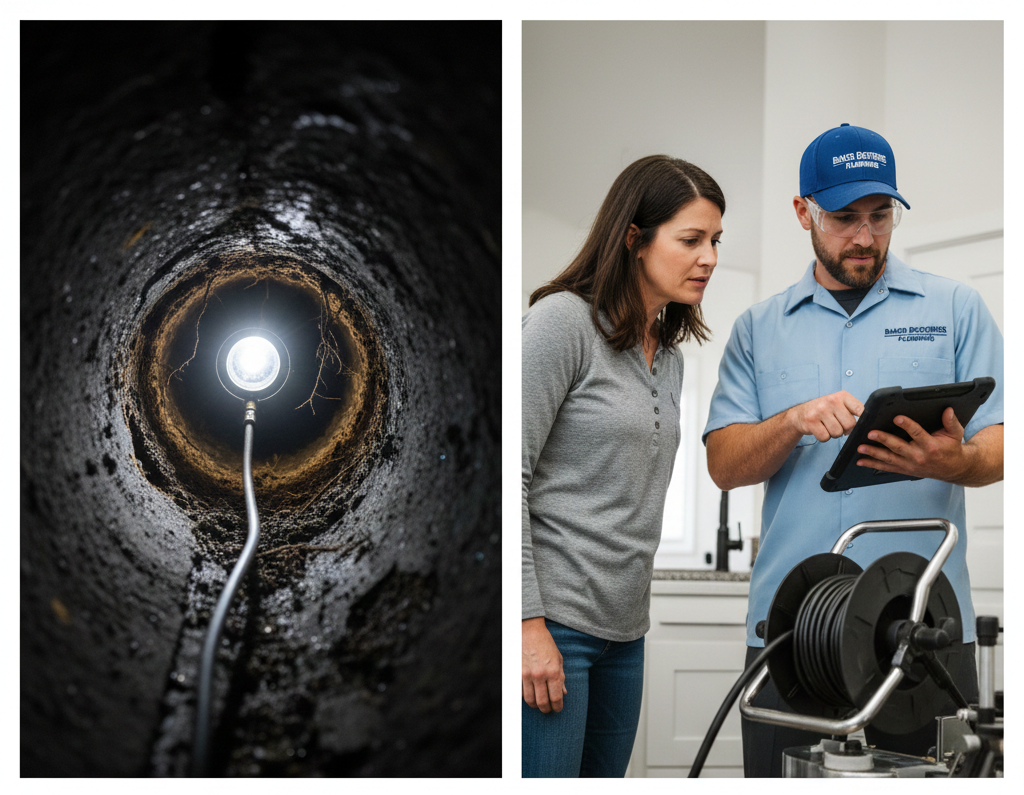
A video sewer inspection uses a camera mounted on a flexible rod to travel through the pipe while transmitting real time images to a monitor. Technicians can see cracks, root intrusions, offset joints, collapsed sections, blockages, and buildup without digging. The camera often has LED lighting and may record the footage for later review.
Inspections cover both main sewer lines and lateral connections. A typical session begins at a cleanout or a drain opening and proceeds along the pipe until the problem area is reached or the camera exits to the municipal connection. This gives a clear record that property owners can keep for reference when planning repairs or when selling a home.
Common problems revealed by a camera inspection
Video footage exposes a range of issues that are otherwise hidden until they cause obvious symptoms. Examples include
- Tree root intrusion causing partial or full blockages
- Cracked or broken pipes from ground movement or old materials
- Bellied pipes where a sag has formed and collects waste
- Offset joints letting material leak out and inviting more damage
- Long term buildup of grease, scale, or mineral deposits
- Collapsed sections after severe deterioration
Seeing the exact location and severity of a problem helps technicians choose a repair method that matches the condition. That reduces guesswork and the chance of unnecessary excavation.
Why early detection saves money and time
Waiting until a sewer line backs up can lead to extensive repairs and high cleanup costs. Early detection of issues through inspection typically reduces the scope of repair work and limits secondary damage to landscaping and home interiors. For example a small root intrusion cleared early with a root cutting tool may be a single day job. If left to grow it can fracture the pipe and require full replacement with heavy excavation.
Some cost examples provide perspective
- Simple clog removal following inspection can be a few hundred dollars
- Spot repairs or lining may range from a few hundred to a few thousand dollars
- Full sewer replacement with excavation often runs several thousand dollars and can exceed ten thousand on larger properties
Regular inspections reduce the risk of surprise expenses and make budget planning more predictable for homeowners and property managers.
How video inspections support accurate repair decisions
When a technician can show you footage of the interior of the pipe you can make repair choices with confidence. The visual record clarifies whether a trenchless solution is viable or whether open excavation is necessary. For example if the camera shows a hairline crack a cured in place lining may be the least disruptive option. If the footage reveals a collapsed segment the repair team can plan a targeted dig at that location.
Using footage for quotes and planning
Recorded video helps contractors produce more accurate estimates because they are basing labor and material decisions on real conditions. That reduces the chance of price adjustments after work starts and gives homeowners a solid basis for comparing proposals from different companies.
Documentation for insurance and disclosure
When filing a claim after a serious sewer failure footage demonstrates the cause and the extent of damage which can speed up resolution. Sellers can also use inspection video when disclosing the condition of a property to buyers. Clear visuals remove ambiguity and support fair negotiations.
When to schedule a video sewer inspection
Some triggers for an inspection are obvious while others are preventive. Consider an inspection when you notice any of the following
- Slow drains across multiple fixtures
- Recurring clogs in the same location
- Unexplained wet or mushy ground in the yard
- Bad odors emanating from drains
- After buying an older home or before listing a property for sale
For preventive maintenance many homeowners schedule a camera inspection every three to five years depending on pipe age and tree proximity. Properties with mature trees near sewer lines may benefit from more frequent checks.
Choosing a technician and what to expect during the visit
Not all inspection services are equal. Look for technicians who use high resolution cameras and who provide recorded footage along with a written report. A good provider will explain what they see in plain language and show the position in the pipe where any issue exists. Ask about these items before you commit
- Will they record and provide a copy of the footage
- Do they mark the location of problems relative to house or yard features
- Can they perform immediate minor clearing if appropriate
- What is the hourly rate versus a flat inspection fee
During the inspection expect the technician to run the camera from a cleanout or indoor drain. The process usually takes 30 to 90 minutes depending on pipe length and complexity. Afterward the company should review the footage with you and outline recommended next steps.
Practical tips for homeowners before the camera goes in
Preparing for an inspection makes the process smoother and more informative. Try these simple steps
- Locate the main house cleanout if you can and make it accessible
- Note any recent plumbing work or areas where the line may have been repaired in the past
- Inform the technician of any landscaping or features above the line like patios or driveways
- Prepare questions ahead of time about repair options and cost ranges
Clear communication helps the technician target the right sections and gives you the most useful information from the visit.
Real life examples of inspections preventing major repairs
A homeowner noticed slow draining in multiple fixtures and called for a camera inspection. The footage showed an early stage root intrusion near the front yard. Technicians removed the roots and applied a local repair to the joint. The cost stayed under a thousand dollars and the pipe held for many years afterward. In another case a property manager scheduled a routine check and the camera revealed a small bellied section collecting solids. Because it was caught early the team relined that segment instead of replacing a full run under a driveway which would have cost several thousand dollars and required heavy equipment.
These examples show how a visual check reduces surprises and preserves landscaping and hardscape that would be costly to restore after excavation.
Many homeowners want to see an example of what a professional inspection looks like and what a technician reports back. For those in the McKinney area this local service page provides details about methods and reporting for a professional evaluation video sewer line inspection that includes recorded footage and a written report. Seeing actual footage from a prior job can clarify results and next steps.
Costs, value, and how inspections fit into a maintenance plan
Inspection costs vary by region and by pipe length but the expense is generally low compared with the potential cost of emergency repairs and cleanup. Include periodic inspections as part of a maintenance plan along with sewer cleaning and routine checks of fixtures. Property owners who inspect regularly avoid many of the surprises that cause high emergency bills.
Deciding on inspection frequency depends on pipe material and age. Older clay and cast iron lines are more vulnerable to wear and root intrusion. PVC and modern materials last longer but can still suffer from poor installation or external forces. Consult a trusted technician to set an interval that matches your property profile.
Clear video evidence also supports long term planning. When footage shows gradual deterioration you can schedule repairs in a controlled way over time rather than reacting to a sudden failure.
Conclusion
Video sewer inspections matter because they turn an invisible risk into actionable information. A camera lets you see the exact condition of pipes and the precise location of issues so repairs are targeted and cost effective. Regular inspections reduce the chance of emergency excavations and expensive cleanup. They also produce recorded proof that helps with insurance claims and real estate transactions. For homeowners and property managers who want control over maintenance budgets an inspection is a practical tool that pays for itself by preventing larger problems.
If your property shows any signs of sewer trouble or if you are planning a sale or renovation schedule an inspection as a first step. Ask for recorded footage and a clear report so you can compare repair options and get accurate quotes. A small investment in a visual check today can save thousands of dollars and avoid major disruption tomorrow. Contact a local plumbing professional to arrange an inspection and to discuss a maintenance schedule that fits your property needs.